
Tablе of Content
- 1 Why Do Scammers Use The Internet?
- 2 Types Of Online Scams
- 3 Fraud Via SMS
- 4 Fraud Via Social Media, Messengers, And Games
- 5 Fraud Through Fake Job Interviews
- 6 Fraud When Buying Devices Second-Hand
- 7 Fraud Through Giveaways
- 8 How To Understand You’re Dealing With Scammers?
- 9 What To Do If You Become A Victim Of Scammers?
- 10 FAQ
Global Anti-Scam Alliance calculated that in 2024 people lost $1.03 trillion due to scammers online. Fraudsters constantly develop new schemes and bypass cybersecurity measures. Recently, they have also been targeting Apple ID — an account that links devices, payments, subscriptions, and user data. By gaining access to it, someone can make purchases or obtain personal information. Let’s look at how online fraud works and how to avoid falling for it.
Why Do Scammers Use The Internet?
The internet gives criminals anonymity, high speed, and scale. Today, to send a million phishing emails, you don’t need a team or complex infrastructure — one person with a laptop and access to a bulk mailing service is enough.
Types Of Online Scams
Fraud schemes are designed around user behavior, current technologies, and trust in digital platforms. We’ve broken down the main formats.
Fraud Via SMS
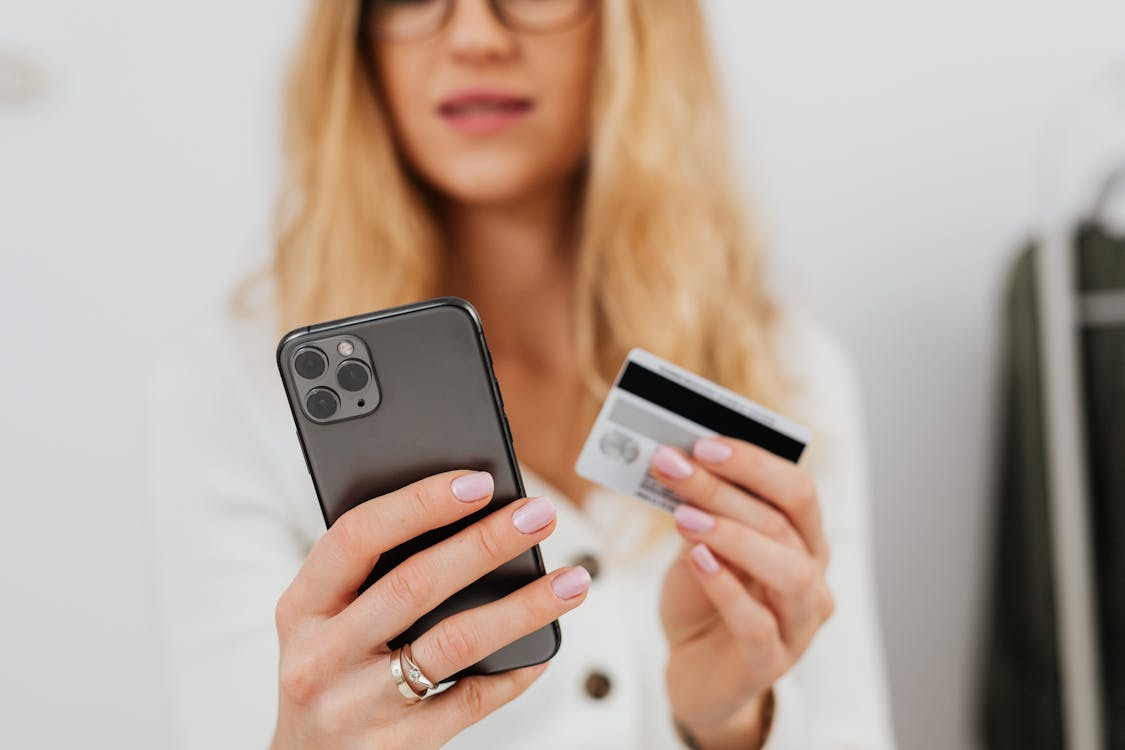
Smishing is a form of SMS phishing designed to push you to click a fake link that leads to a spoofed website. It’s often disguised as a store receipt or a delivery update (for example, allegedly from Amazon or AliExpress).
The link takes you to a page that visually copies the interface of a well-known service. You’re then asked to complete a “confirmation” step, and after that, your personal data and payment details end up in the hands of scammers.
Fraud Via Social Media, Messengers, And Games
In gaming chats and on streaming platforms, criminals often target gamers, including children and teenagers. A “benefit” message may appear in a chat, on a server, or in comments. For example, it may promise Robux in Roblox or bonuses in Minecraft.
Once the gamer goes to the site, the account may be locked, and the fraudsters gain access to personal information. And if a bank card is linked to the account, they may also gain access to funds.
Fraud Through Fake Job Interviews
Criminals post vacancies on well-known job sites such as HeadHunter, LinkedIn, and Indeed. After messaging with someone who presents themselves as an HR specialist, the candidate is asked to install a “corporate” app and sign in via Apple ID. This can give scammers access to linked devices, purchases, saved passwords, and payment methods, including cards added to Apple Pay.
Fraud When Buying Devices Second-Hand
When you buy an iPhone, MacBook, or iPad from a private seller, scammers may act after the device changes hands. They ask you to follow a link and sign in with your Apple ID — supposedly to activate the warranty or unlock the device. The link leads to a fake login page. As a result, criminals gain access to your Apple ID and may lock the device via Find My iPhone or restrict access to data. The device may also contain installed software for remote control. The outcome is the same: you lose confidential information.
The best way to avoid this type of fraud is to use official brand partners. For example, in Armenia, this is iSpace (Apple Premium Reseller). All devices come with a manufacturer’s warranty, purchase terms are transparent, and if needed, you can always contact a service center that operates to the manufacturer’s standards.
Fraud Through Giveaways
Scammers use fake giveaways and lottery-style schemes, sometimes pretending to act on behalf of bloggers. They send an SMS claiming you’ve won a phone and ask you to confirm your identity using Apple ID. They may also request money for “activation,” delivery, or a fee.
How To Understand You’re Dealing With Scammers?

Fraud can often be identified if you pay attention to details. To protect yourself:
- Check the domain in the address bar and compare it with the official website.
- Ignore messages that create pressure or demand urgent action.
- Never share your Apple ID, passwords, or verification codes.
- Enable two-factor authentication for Apple ID, email, and messengers.
Assess the situation calmly. If you did not enter a giveaway, a message about winning is a clear reason to be cautious.
What To Do If You Become A Victim Of Scammers?
Respond immediately — quick action helps minimize risks. Here’s what to do:
- Contact your bank, block the card or account, and dispute the suspicious transaction/
- Save screenshots of the conversation and payment details.
- If you lose access to Apple ID, go to iforgot.apple.com from a trusted device and start password recovery.
- If recovery fails, contact official support via support.apple.com and prepare documents confirming your identity and device purchase (receipt).
- Report the fraud to the police, either at a station or by calling 112.
Authorized service centers do not have access to accounts, passwords, or reset procedures, so recovery is handled only through Apple Support.
FAQ
How to spot that a prize SMS is a scam?
If you didn’t enter a giveaway but are asked to pay a “fee,” “tax,” or delivery, it’s fraud. Other signs include time pressure, mistakes in the text, and hyperlinks with suspicious domains.
Can you get your money back?
Yes, if you contact your bank immediately and file a dispute for the transaction. With a fast response, it may be possible to stop the transfer. In parallel, file a police report.
How to protect children from scams?
Explain that they must never share SMS codes, CVV details, or passwords, even if a “friend” or a “service employee” asks for them. For safety, block links inside games and enable parental controls.
How to tell a real mailing from a fake one?
Check the sender address: legitimate companies use corporate domains and do not request sensitive information by email.
Always be aware!
Subscribe to the newsletter and be the first to know about new promotions and special offers